
What type of acoustic foam do I need?

Choosing the right acoustic product depends entirely on the environment, the type of noise issue you are trying to solve, and any practical requirements such as fire resistance, moisture resistance, or weight limitations.

At Foam2Home, we offer a wide range of acoustic solutions designed for everything from home studios and offices to industrial plant rooms, generator enclosures and outdoor spaces.

This guide will help you identify which product is best suited to your application.


1. Home Studios, Music Rooms & Podcast Spaces

For recording environments, echo control and sound quality are the priority.

Recommended Products:

For maximum sound wave diffusion and reflection control, Wedge and Pyramid tiles are excellent.

For a cleaner aesthetic finish in modern interiors, AKoostiq Felt Panels are ideal.


2. Cinema Rooms, Gaming Rooms & Home Interiors

For residential sound control where aesthetics matter:
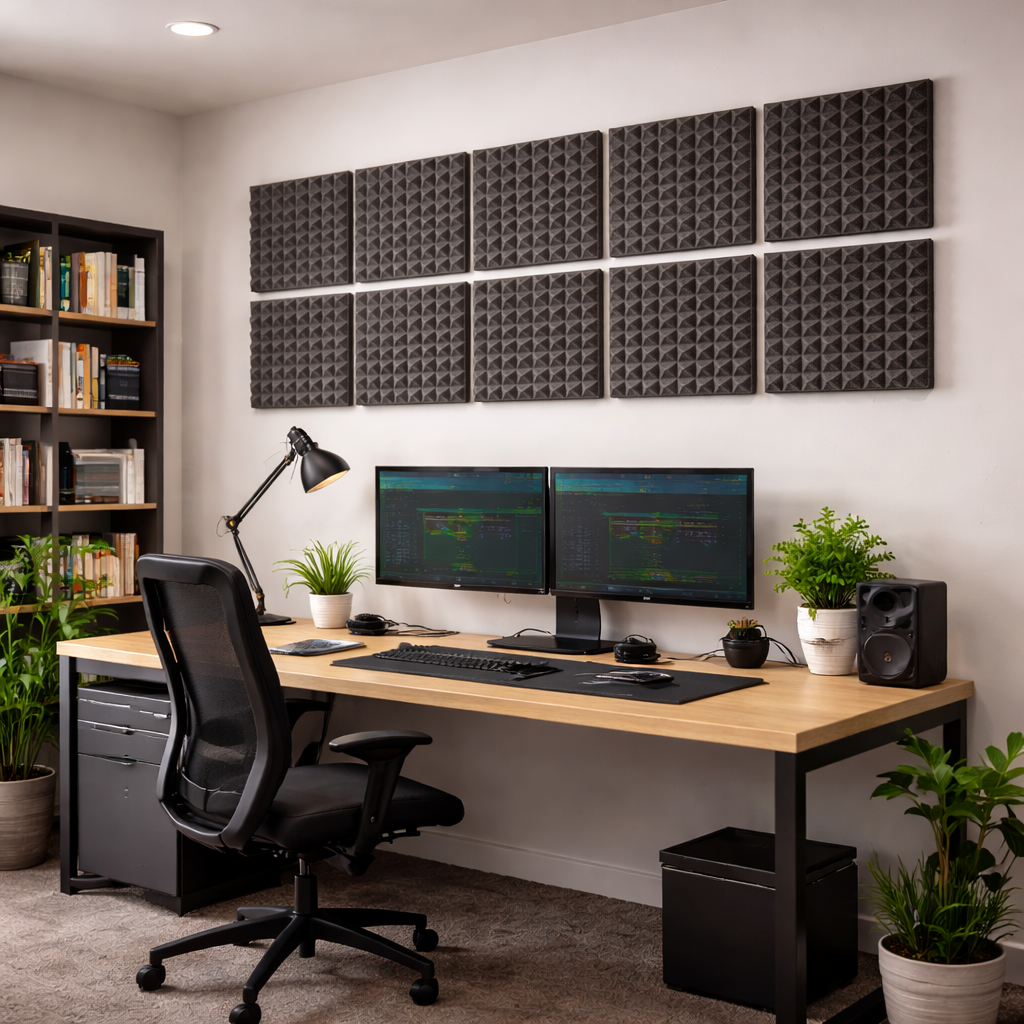
Recommended Products:

AKoostiq panels are perfect where design and acoustic performance need to work together.

They are particularly suitable for:

  • home cinemas
  • gaming rooms
  • home offices
  • media walls
  • living spaces

3. Offices, Schools & Commercial Spaces

For environments where speech clarity and echo reduction are important:
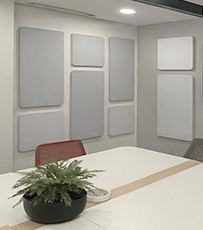
AKoostiq Felt Panels for meeting rooms

Recommended Products:

Best suited for:

  • offices
  • meeting rooms
  • schools
  • sports halls
  • healthcare centres
  • hospitality environments

These provide excellent Class A acoustic performance while also offering a modern and professional finish.


4. Outdoor Areas & Moisture-Prone Spaces

For external use or areas exposed to damp conditions:
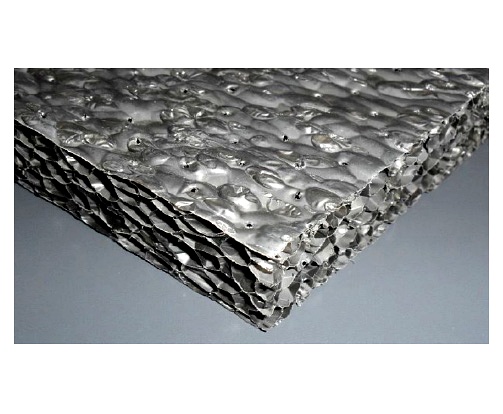
Recommended Products:

Perfect for:

  • smoking areas
  • outdoor seating areas
  • gardens
  • road barriers
  • fencing
  • damp plant rooms

Its washable surface and water resistance make it the ideal choice.


5. Vehicle & Boat Engine Enclosures

For engine compartments and enclosures where noise reduction and durability are key:
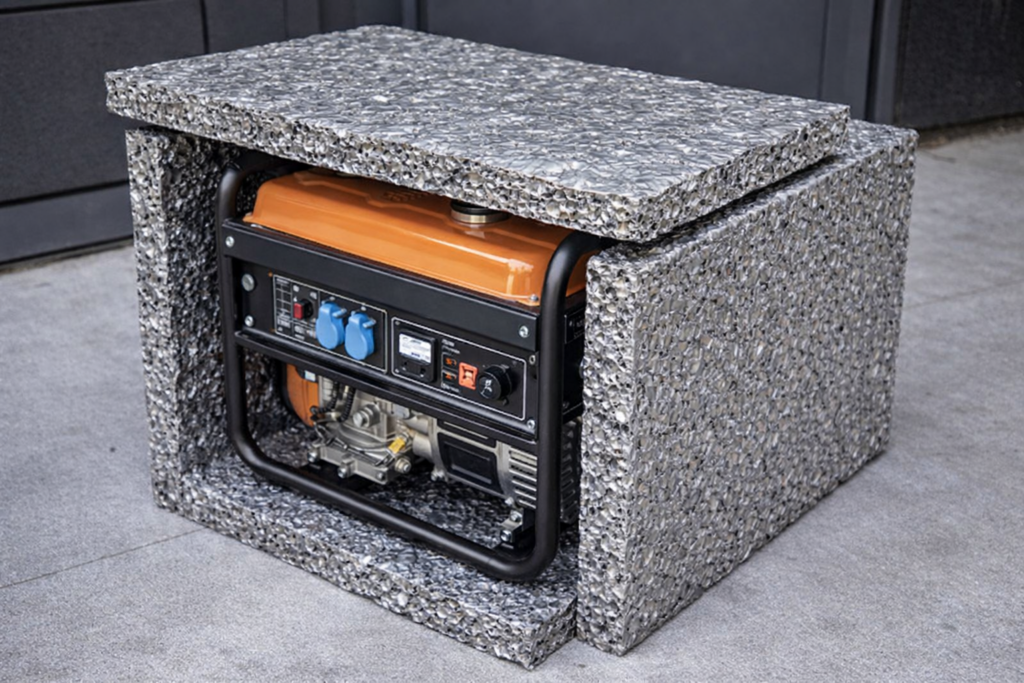
Recommended Products:

The Fire Resistant Acoustic Foam is particularly suited to these applications due to its:

  • fire performance
  • high density
  • flexibility
  • ability to be cut to shape

6. Ventilation Ductwork, HVAC Systems & Service Voids

For internal lining of ductwork, ventilation systems and service routes, the key requirements are usually light weight, sound absorption and durability under airflow.

Recommended Products:

If weight is a concern, the Light Weight Acoustic Foam is the best option.

If the environment requires a higher fire specification, the Fire Resistant Acoustic Foam is the recommended solution.

These products help reduce:

  • airflow noise
  • vibration transfer
  • reflected mechanical noise

7. Generator, Compressor & Machinery Enclosures

For machinery, plant equipment, compressors and generator housings, sound absorption and durability are essential.
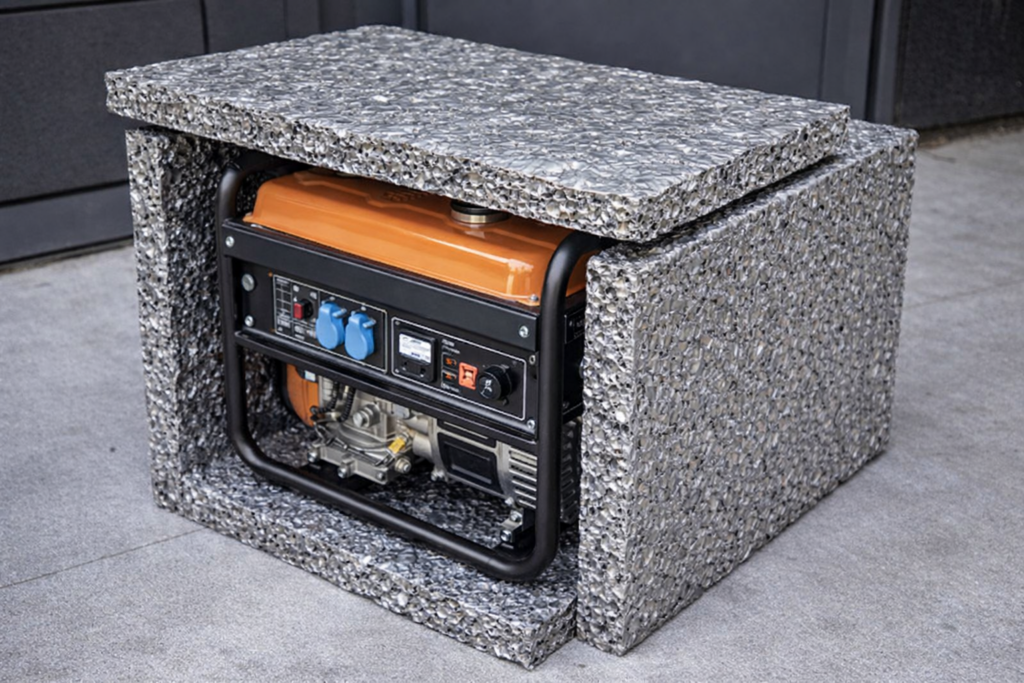
Recommended Products:

For indoor plant and machinery enclosures, the Fire Resistant Acoustic Foam is ideal due to its high density and Class 0 fire rating.

Where weight is an issue, use Light Weight Acoustic Foam.

Where the enclosure is exposed to moisture or outdoor conditions, the best choice is Envirosound Water Resistant Acoustic Foam.


8. Any Application Where Fire Is a Risk

For high-risk environments requiring fire-rated materials:

Recommended Products:

This is the best option for:

  • electrical equipment
  • machinery enclosures
  • ductwork
  • plant rooms
  • partitions
  • technical installations

Its tested fire performance makes it ideal where compliance is essential.


If you are unsure which acoustic product is best for your project, our team would be happy to help guide you to the most suitable solution.


AKoostiq Felt Panels

Introducing AKoostiq Felt Panels: Control the Sound. Elevate the Space.

In today’s modern environments, whether it’s offices, schools, or commercial spaces, the demand for materials that combine functionality with aesthetic appeal has never been higher. At Foam2Home, we are proud to introduce our latest innovation — AKoostiq Felt Panels.


What Are AKoostiq Felt Panels?

AKoostiq Felt Panels are a lightweight recycled polyester fibre product that is produced in house. They are excellent high-performance acoustic panels designed to reduce noise, improve sound quality, and elevate interior spaces visually.

Crafted from premium materials, these panels offer an effective solution to common acoustic challenges such as echo, reverberation, and background noise — all while enhancing the overall look and feel of a space.


Why Choose AKoostiq Felt Panels?

Acoustic Performance That Works

Poor acoustics can impact productivity, concentration, and comfort. AKoostiq panels are engineered to absorb sound and create quieter, more balanced environments.

Design Without Compromise

Available in white, light grey and beige, and with an option of rounded or straight corners as well as a choice of sizing,  these panels allow you to design with freedom. Whether you want a subtle finish or a bold statement wall, AKoostiq Felt Panel delivers.

Sustainable & Responsible

Sustainability is at the core of what we do. Our felt panels are manufactured using environmentally conscious processes and materials, making them a smart choice for eco-friendly projects. With a 72% recycled material and an excellent fire performance these are the perfect panel for so many different applications.

Easy Installation

Designed with practicality in mind, AKoostiq Felt Panels are quick and easy to install, reducing downtime and simplifying project delivery.


Where Can They Be Used?

AKoostiq Felt Panels are versatile and suitable for a wide range of applications:

  • Offices & meeting rooms
  • Schools & educational spaces
  • Sports Halls
  • Hospitality environments
  • Studios & Podcast Rooms
  • Health Care Centres
  • Home interiors

Anywhere sound control and design matter — AKoostiq fits perfectly.


More Than Just Acoustic Panels

At F2H, we believe products should do more than one job. AKoostiq Felt Panels don’t just improve acoustics — they transform spaces, bringing together comfort, style, and performance in one seamless solution.


Ready to Elevate Your Space?

If you’re looking to improve acoustics without compromising on design, AKoostiq Felt Panels are the perfect solution.

Click below to purchase

What are the Best Types of Foam for Sofas

When choosing a sofa, durability, comfort, and aesthetics are essential considerations. A key factor influencing these qualities is the type of foam used. The foam determines the sofa’s level of support, comfort, and lifespan. Understanding the different types of foam and their functions can help you make an informed decision, whether you’re purchasing a new sofa or refurbishing an old one.  

The Importance of Foam in Sofas 

Foam is the core material inside sofa cushions that provides support and comfort. A high-quality foam ensures the sofa remains inviting and functional for years. The foam’s performance depends on several factors, including its density, firmness, resilience, and durability. Selecting the right foam, and getting foam cut-to-size, means finding a balance between these properties to suit your needs and preferences. 

Factors to consider  

Density  

Foam density is measured in pounds per cubic foot (PCF). Higher density typically means greater durability and support, though it may also come at a higher cost. 

Firmness

This is determined by the foam’s Indentation Load Deflection (ILD) rating. Softer foams have lower ILD ratings, while firmer foams have higher ratings. 

Resilience

Resilience measures how bouncy or springy the foam feels. High-resilience foam tends to last longer and provides consistent comfort. 

Durability

Some foams are more resistant to wear and tear, making them suitable for heavy usage. 

Cost

Balancing quality and budget are essential, as higher-quality foams are often more expensive but provide better long-term value. 

High-Density Foam 

High-density foam is a top choice for sofa cushions due to its excellent support and durability. It has a density of 2.0 PCF or higher, making it resistant to sagging and deformation over time. The firmness can vary, providing options for those who prefer a soft, medium, or firm seat. 

Best For: 

  • Everyday use 
  • People who need extra support, such as those with back issues. 

Pros: 

  • Long-lasting and durable. 
  • Excellent support for prolonged sitting. 
  • Maintains shape well. 

Cons: 

  • Can feel too firm for those who prefer a softer seat. 
  • Higher cost compared to lower-density foams. 

High-Resilience Foam 

High-resilience (HR) foam is prized for its superior bounce and comfort. With densities ranging from 2.5 to 3.0 PCF, it offers exceptional durability and responsiveness. This foam quickly regains its shape after compression, making it ideal for frequently used sofas. 

Best For: 

  • Premium-quality sofas. 
  • Users who want a balance of softness and support. 

Pros: 

  • Extremely durable and resistant to sagging. 
  • Comfortable and supportive. 
  • Maintains its form even after years of use. 

Cons: 

  • More expensive than standard high-density foam. 

Memory Foam 

Memory foam, renowned for its contouring capabilities, delivers a luxurious seating experience by adapting to body heat and pressure to conform to the user’s shape. Commonly utilised as a top layer rather than a core material, it enhances sofa cushions with a plush and inviting feel. 

Best For: 

  • People who prioritise comfort over firmness. 
  • Sofas used for lounging or napping. 

Pros: 

  • Excellent pressure relief. 
  • Soft and cozy. 
  • Ideal for relaxing and unwinding. 

Cons: 

  • Retains heat, which may not be ideal for warmer climates. 
  • Can feel too soft for those needing firm support. 
  • More expensive than traditional foams. 

Polyurethane Foam 

Polyurethane foam is one of the most common foams used in sofas. It comes in various densities and firmness levels, making it a versatile option. It’s lightweight, affordable, and widely available. 

Best For: 

  • Budget-friendly sofas. 
  • Sofas in low-traffic areas. 

Pros: 

  • Affordable and accessible. 
  • Customisable in terms of density and firmness. 
  • Lightweight and easy to handle. 

Cons: 

  • Less durable than high-density or HR foam. 
  • Prone to sagging over time with heavy use. 

Latex Foam 

Latex foam is derived from natural or synthetic rubber, offering excellent resilience and durability. It’s hypoallergenic, resistant to dust mites, and has a natural bounce. Latex foam provides a unique combination of firmness and comfort. 

Best For: 

  • Eco-conscious consumers. 
  • Those seeking an alternative to synthetic foams. 

Pros: 

  • Eco-friendly and sustainable (in the case of natural latex). 
  • Long-lasting and resistant to sagging. 
  • Naturally breathable and temperature-regulating. 

Cons: 

  • High cost. 
  • Limited availability in some regions. 

Feather or Down Wrapped Foam 

This type combines foam cores with a feather or down wrapping. The foam provides structure and support, while the feather layer adds a soft, luxurious feel. It’s commonly used in high-end sofas. 

Best For: 

  • Sofas with a plush, premium look and feel. 
  • Users who want a mix of support and softness. 

Pros: 

  • Luxurious and comfortable. 
  • Provides a combination of support and plushness. 

Cons: 

  • Requires frequent fluffing to maintain shape. 
  • More expensive and higher maintenance. 

Reticulated Foam 

Reticulated foam has an open-cell structure that allows air and water to flow freely. It’s primarily used for outdoor sofas due to its quick-drying properties. 

Best For: 

  • Outdoor sofas and patio furniture. 

Pros: 

  • Highly breathable and moisture resistant. 
  • Ideal for outdoor use. 

Cons: 

  • Less comfortable than traditional indoor foams. 

Selecting the Right Foam for Your Sofa 

Choosing the best foam for your sofa depends on several factors: 

Usage:  

Determine how frequently the sofa will be used. High-traffic sofas benefit from high-density or HR foam, while low-traffic pieces can make do with polyurethane foam. 

Budget:  

High-quality foams like HR or latex may require a higher upfront investment but save money in the long run due to their durability. 

Comfort Preferences:  

If you prefer a soft and plush feel, memory foam or down-wrapped foam is a great choice. For a firmer, more supportive seat, high-density or latex foam works better. 

Aesthetic and Maintenance:  

Feather-wrapped foams require more upkeep to maintain their appearance, while polyurethane foams are low-maintenance. 

Environment:  

For outdoor furniture, reticulated foam is the clear winner due to its water-resistant properties. 

Conclusion 

Choosing the right foam for your sofa is essential for ensuring comfort, durability, and satisfaction. High-density foam and high-resilience foam offer excellent support and longevity, while memory foam and feather-wrapped options provide luxurious comfort. For eco-conscious choices, latex foam stands out, and for outdoor use, reticulated foam is unbeatable. Ultimately, the best foam for your sofa depends on your specific needs, preferences, and budget. Investing in the right foam will ensure your sofa remains a centerpiece of comfort and style in your home for years to come.